Peace On Earth Ministries
We exist to make the prayer of Jesus in John 17
an unavoidable issue in the church:
He prayed, "that they may be one . . . that the world may believe."
Unity for the sake of evangelism.
The Knowlesletter
OUR CURRENT ISSUE:
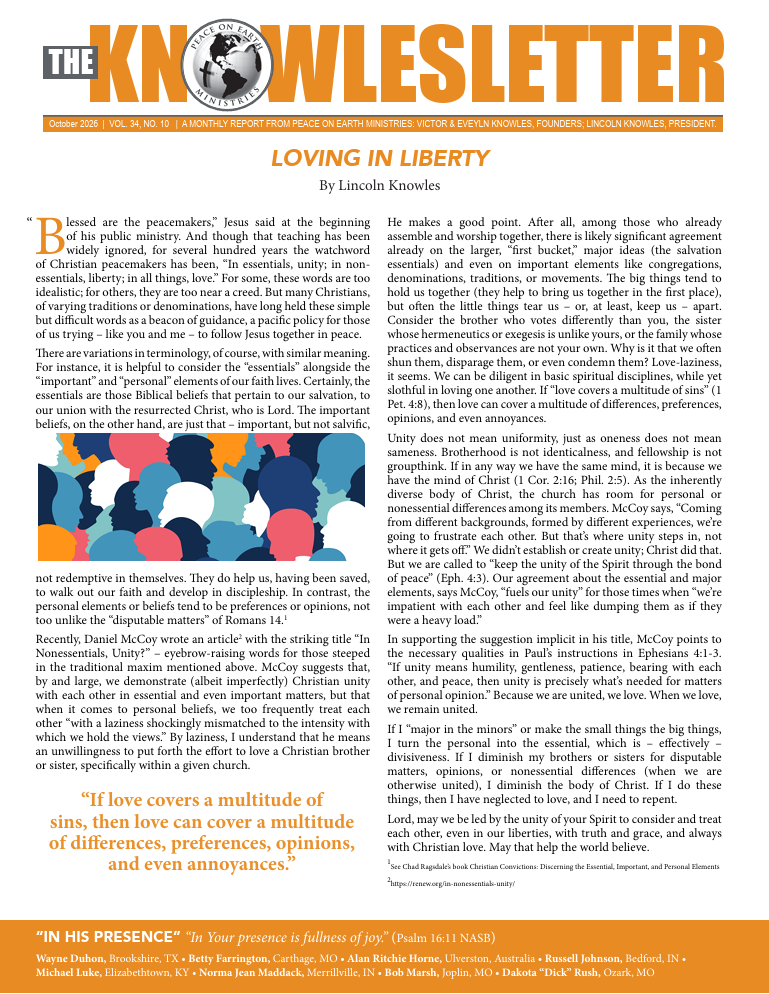
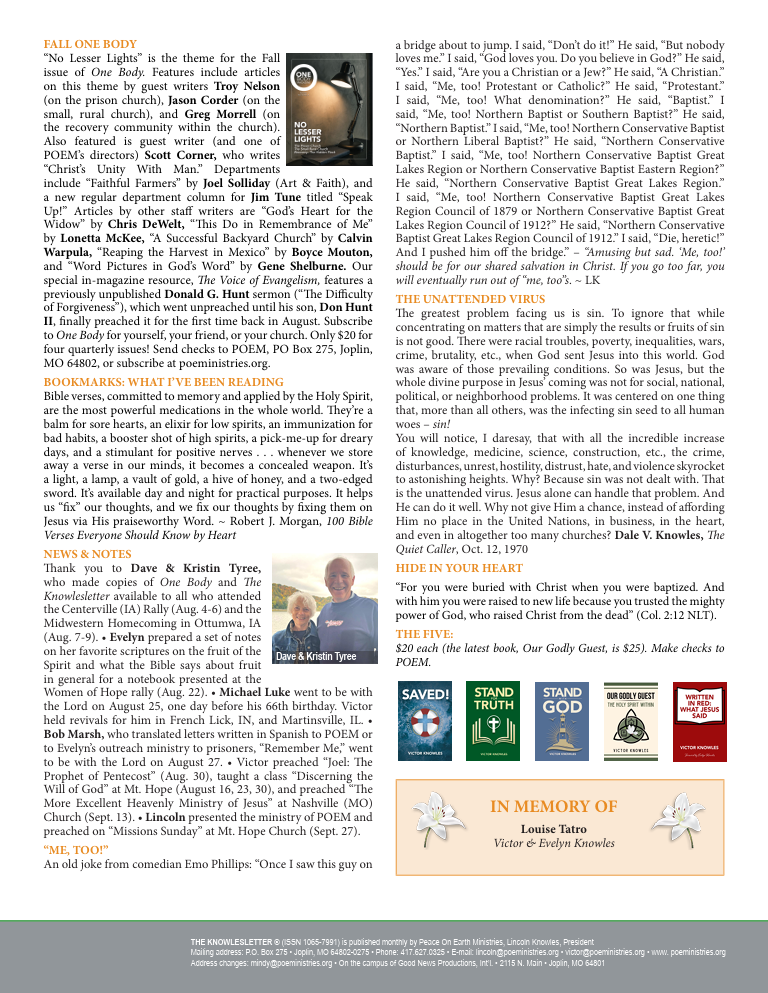
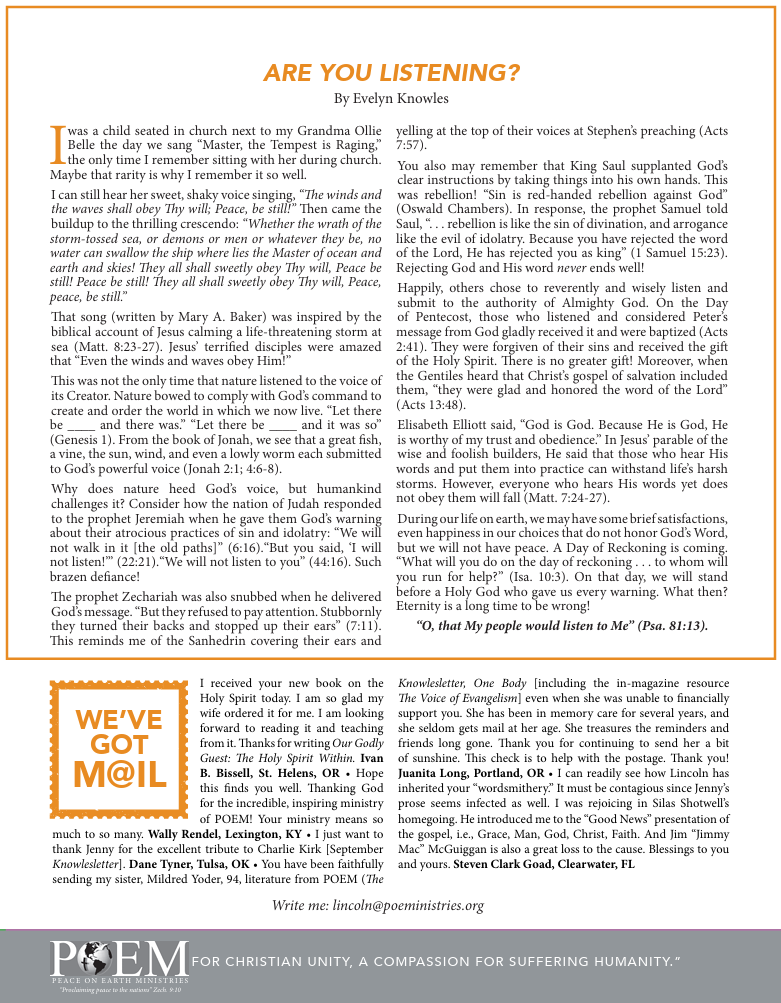
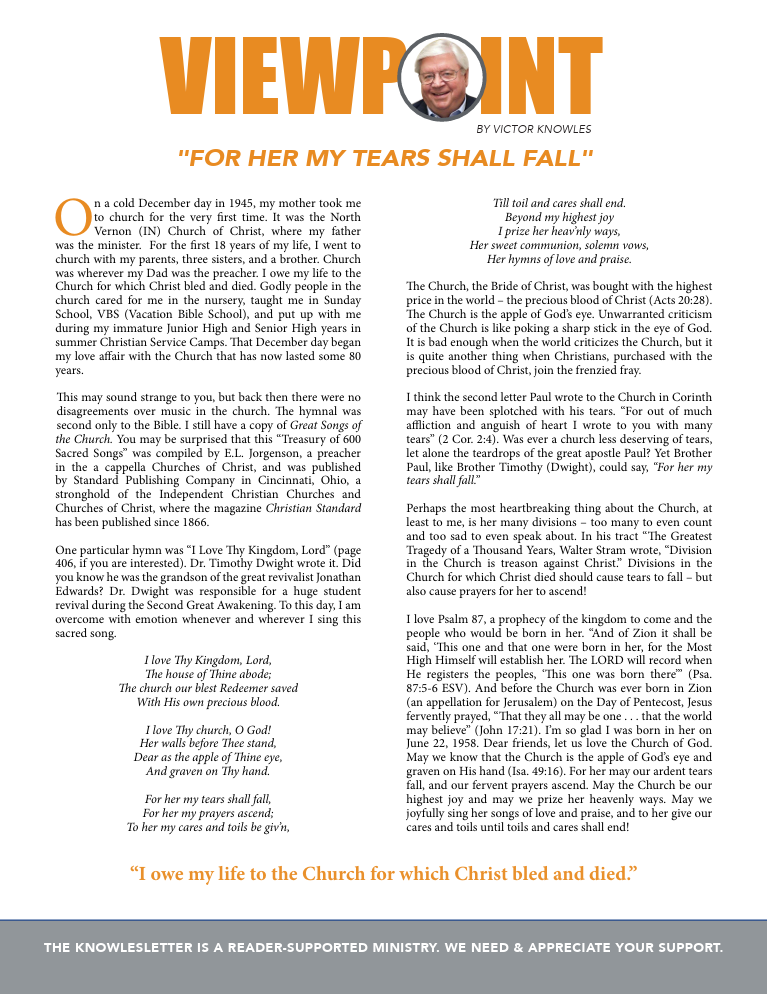
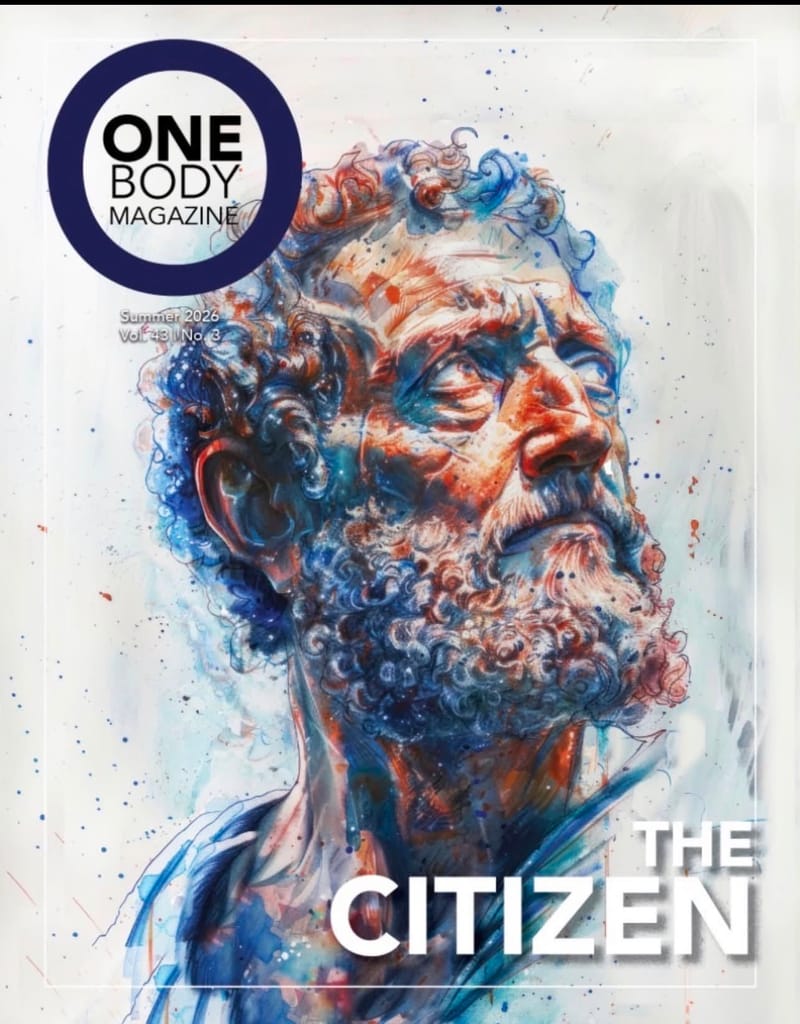
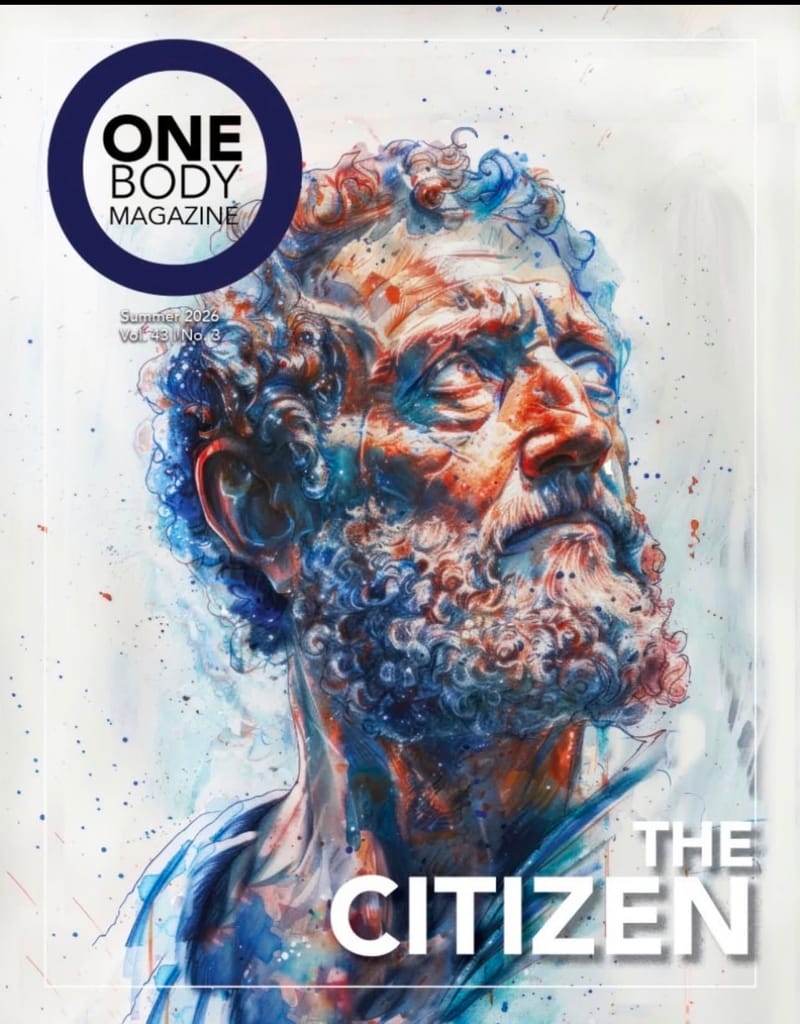
One Body Magazine
Promoting Christian Unity Since 1984
THE LATEST ISSUE:
Click here to subscribe online - 1 year for $20.
Click here to give someone a gift subscription- 1 year for $15.
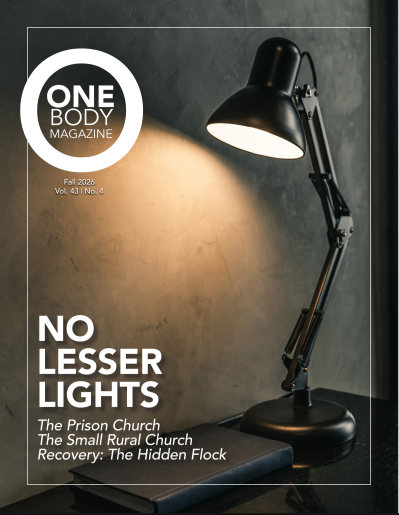
| One Body (ISSN: 1065-8351) is a quarterly 28-page magazine published by Peace on Earth Ministries, Joplin Missouri. Founded in 1984. Founder: Don DeWelt (1919-1991) Editor: Lincoln Knowles Associate Editor: Victor Knowles Staff Writers: Jim Tune, Chris DeWelt, Jimmy Hurd, Boyce Mouton, Bob Russell, Gene Shelburne, Calvin Warpula, Joel Solliday, Lonetta McKee Subscription Director: Lincoln V. Knowles Subscription: USA, $20.00 annually Canada and Mexico, $30.00 (payable in advance in US currency only) Foreign countries, $35 (payable in advance in US currency only) Back Issues, $5 each Mailing address: Peace on Earth Ministries, P.O Box 275, Joplin, MO 64802-0275 “One Body has been a breath of God’s Spirit . . . calling for the unity of the Spirit in the bond of peace. No publication in our movement has had more influence on the hearts and minds of people to move them to see the foundational truth of the unity of Christ’s church than One Body.” ~ Douglas A. Foster, Abilene, TX “You have consistently called God’s people to honor the slogan, ‘In doctrine, unity; in opinions, liberty; in all things, love.’ I thank you for the part your excellent publication has played in our progress.” ~ Bob Russell, Louisville, KY Click here to subscribe online - 1 year for $20. Click here to give someone a gift subscription- 1 year for $15. |
Books by Victor Knowles
Books
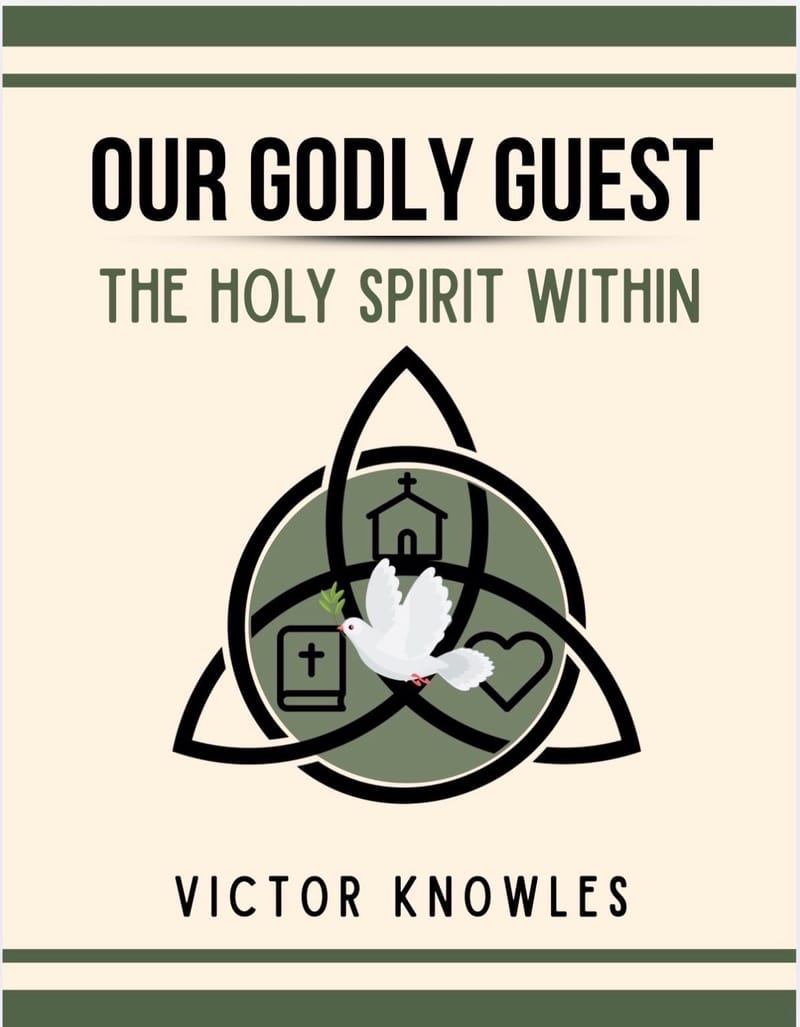
$25
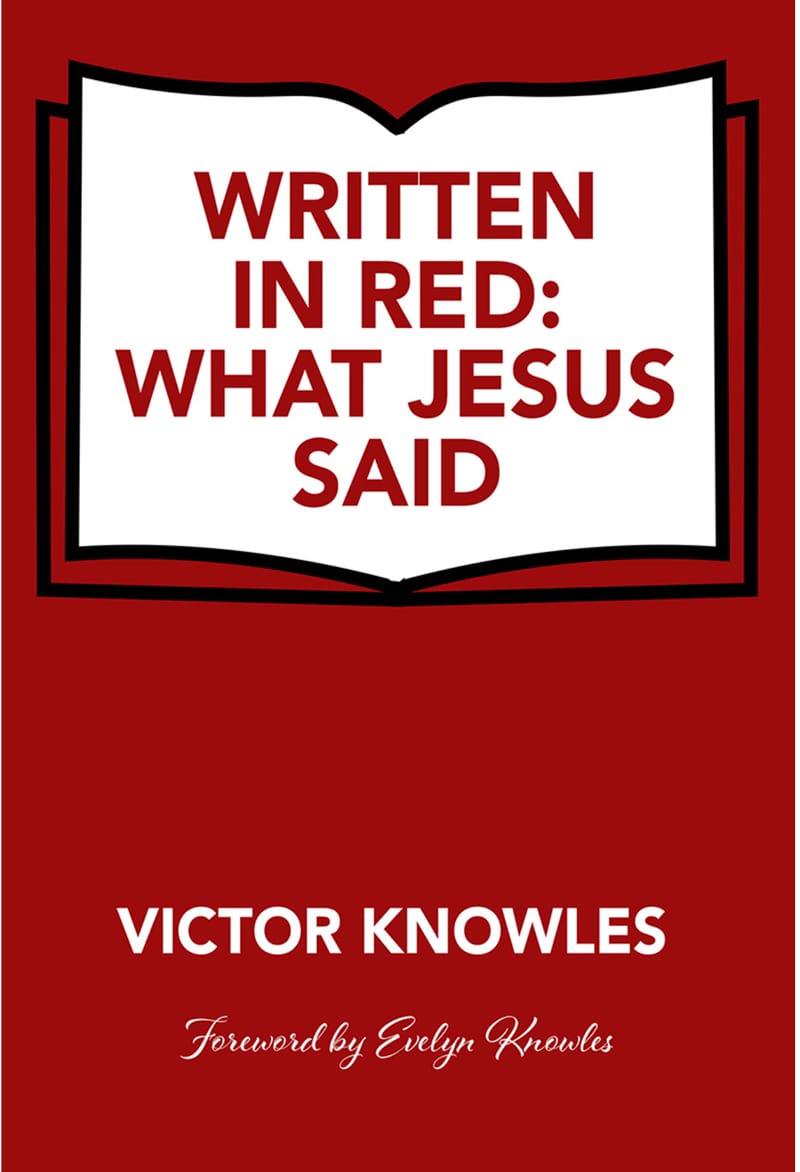
$20

READY!
PREPARING FOR ETERNITY Somewhere beyond the Blue
$20

COMMUNION TIME
Making the Lord's Supper Memorable
$20

Forever Faithful
The Search for Semper Fi Saints
$20

He's All I Need
275 Descriptions of Jesus from A - Z
$20

BEHOLD!
BEHOLD! A Christian View of Things That Matter Most
$20
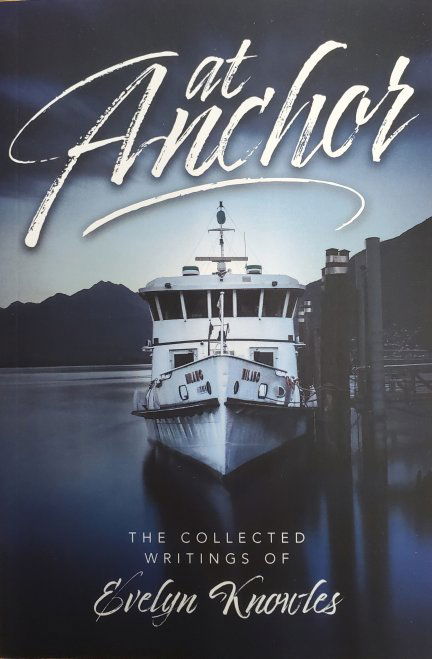
At Anchor - Temporarily out of stock - check back later
At Anchor - The collected Writings of Evelyn Knowles
$15

SAVED!
SAVED! God's Wonderful Plan for Our Salvation!
$20
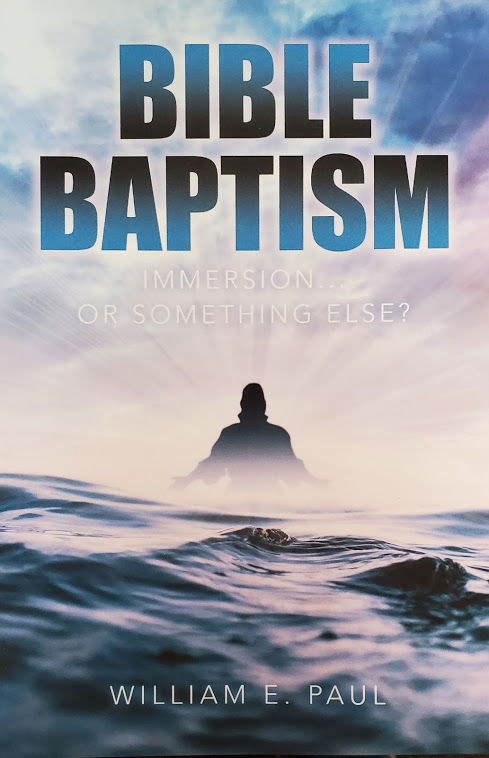
Bible Baptism
Bible Baptism by William Paul
$15

My All For His Call
My All For His Call
$20

STAND AND DELIVER - Temporarily out of stock - check back later
Featuring "The Prayer Of A King" and 9 other sermons.
$20
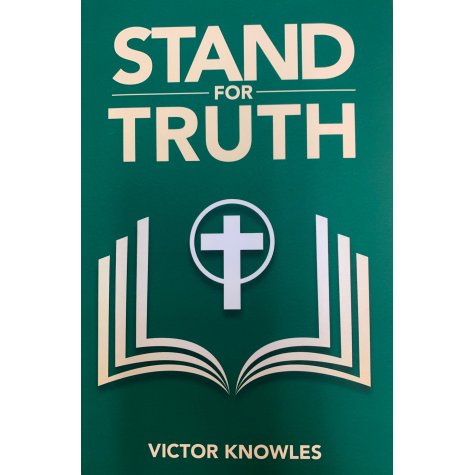
STAND FOR TRUTH *NEW*
Third in the "Stand" series
$20

STAND WITH GOD
Featuring "Like A Lighthouse" and 9 other sermons
$20

BEYOND THE STARS
BEYOND THE STARS: OUR HOME IN HEAVEN. The latest book from the pen of Victor Knowles. It's all about Heaven, our future home "beyond the stars." Great for gifts!
$20

DOUBLE EXPOSURE
Double Exposure: 66 of Our Favorite Columns in The Knowlesletter. With Evelyn Knowles. Softcover, 146 pages.
$15

BIBLICAL ROOTS OF ISLAM - Temporarily out of stock - check back later
The Biblical Roots of Islam. Brief overview of Ishmael’s descendants who became the Arab-Islamic nations. Softcover, 48 pages. Brief overview of Ishmael’s descendants who became the Arab-Islamic nations. Softcover, 48 pages.
$15

GOOD AND FAITHFUL SERVANT
Good and Faithful Servant: The Simple, Stimulating Story of Donald G. Hunt. Softcover, 103 pages.
$20

ONE LIFE OF MANY
One Life of Many. The Autobiography of Dale V. Knowles. Softcover, 223 pages.
$20
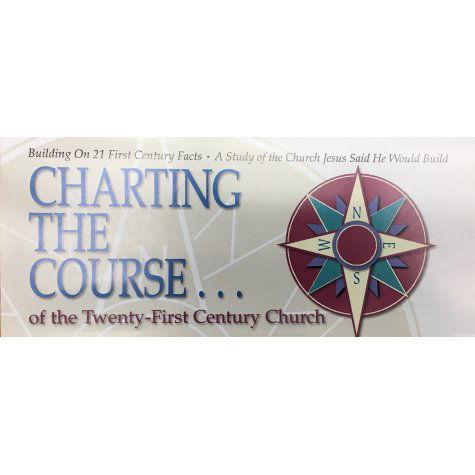
CHARTING THE COURSE
A Chart - Charting The Course of the Twenty-First Century Church. Building on 21 First Century Facts * A Study of the Church Jesus said He would build.
$1.50

TAKING A STAND
Taking a Stand: The Story of the Ottumwa Brethren. With William E. Paul. The rise of a conservative movement within the Christian Churches/Churches of Christ. Hardcover, 373 pages.
$20

TOGETHER IN CHRIST
Together in Christ: More Than a Dream. "A masterpiece on Christian unity that should be in the library of every Bible-believing church" (Knofel Staton). Surveys scriptures on unity, songs and prayers about unity, famous slogans of unity, and key documents on unity from the Stone-Campbell movement. A rich blend of scripture and stories, songs and prayers, wisdom and humor, insight and challenge - all pointing to God's desire for his children to be "together in Christ." Softcover, 168 pages.
$20

VICTOR, VOLUME 1
Victor: Since 1945 (How an American War Baby Became an International Peacemaker) - Volume One The first volume of Victor's autobiography covers the years of 1945 through 1977. Softcover, 464 pages, 52 photographs
$20

VICTOR, VOLUME 2
VICTOR: SINCE 1945 (How an American War Baby Became an International Peacemaker) - Volume Two Foreword by Dr. Jerry Rushford, Pepperdine University The second volume of Victor Knowles' candid autobiography covers the years from 1978-2012. Softcover, 584 pages, 65 photographs.
$20
One Body Subscription
About POEM
There will never be peace on earth until the peace of Christ reigns in our hearts, our homes, and our churches. Jesus prayed that believers would be one in Him so that the world would believe (John 17:20, 21).
To hasten this day, we proclaim this message wherever we are invited. We publish a Christian magazine (One Body), monthly newsletter (The Knowlesletter), and other Christian literature. We partner with fellow Christian ministries to proclaim peace to the nations.
Our Purpose
- To challenge those who share the same religious heritage in the Restoration Movement to recognize one another as brothers and sisters in Christ, and to reach out to all who believe on Christ through the Word (John 17:20). This we do through our beautiful quarterly magazine One Body.
- To provide opportunities to bring us together where we can study, pray, listen, learn and discuss our differences in the Spirit of Christ. This we do participating in special meetings focusing on Christian unity.
- To encourage joint participation in good works. This we do through networking with other ministries, sending monthly gifts to support literature work in Russia, leadership training in Cuba, evangelistic and humanitarian aid in Poland, and other Christian endeavors around the world in Ukraine, Belarus and India.
- To inform the body of Christ about news of significance and articles of interest relating to cooperative efforts in Christian unity and world evangelism. This we do through the upbeat monthly report in The Knowlesletter.
- To offer our services to share the message of John 17:21. "That they all may be one . . . that the world may believe." This we do in our travels, wherever invited, in the U.S. and abroad, to Christian churches, conferences, conventions and colleges. POEM (Peace on Earth Ministries), founded in 1992 by Victor & Evelyn Knowles, is supported solely by individuals and congregations who are interested in Christian unity for the sake of world evangelism.

Give to POEM
You can donate safely and securely online by clicking on the link below. We can accept MasterCard, Visa, Discover and American Express credit cards through PayPal, or we can debit your checking account with a Visa/Mastercard number. Or if you prefer, we still accept checks through the mail.

$50
Give to Poland
You can donate safely and securely online by clicking on the link below. We can accept MasterCard, Visa, Discover and American Express credit cards through PayPal, or we can debit your checking account with a Visa/Mastercard number. Or if you prefer, we still accept checks through the mail.
POEM is a 501(c)(3) organization. Gifts are deductible as charitable contributions for federal and state income tax purposes. We take our responsibility very seriously to God, our supporters and the people we serve to be wise stewards of the funds entrusted to us. Will you join us in extending the love of Jesus Christ to those we provide resources to? We have a number of ways that you can participate.

$50
POEM Team
Lincoln Knowles
President
lincoln@poeministries.org
Victor Knowles
Co-Founder
victor@poeministries.org
Evelyn Knowles
Co-Founder
Mindy Knowles
Office Receptionist
mindy@poeministries.org
Bill Wadell
Accountant
bill@poeministries.org
Contact Us
- 2115 N. Main St., Joplin, MO 64801
- SEND ALL MAIL TO: Peace on Earth Ministries, PO Box 275, Joplin, MO 64802
- +1-417-627-0325 - Peace on Earth Ministries
- mindy@poeministries.org
- 8:30 - 4:30 M-F
Three things you might be interested in:
One Body Magazine, The Knowlesletter and books by Victor Knowles
ONE BODY Magazine - published quarterly (only $20/year) KNOWLESLETTER - published monthly Books written by Victor Knowles